The traditional office model where every employee has an assigned desk is rapidly becoming outdated. With hybrid and flexible working firmly entrenched as the future of work, organisations are rethinking how they manage and optimise their physical workspace. At the heart of this shift lies one powerful solution: the desk booking system.
A desk booking system isn’t just a tool for reserving a workspace; it’s a strategic asset that drives productivity, improves employee experience and optimises workspace utilisation.
In this post, we’ll explore the key advantages of implementing a workspace booking system and how smart technology like the Your Workcharge Puk can enhance the way teams work.
What is a Desk Booking System?
A desk booking system is a digital solution that allows employees to reserve desks or workspaces in advance or on the fly. Depending on the setup, users might book a workspace via software, mobile apps or even integrated hardware sensors that track real-time availability. Unlike traditional first-come, first-served seating, a booking system gives visibility and certainty, whether your team is working onsite every day or splitting time between home and office.
These systems support flexible work by letting employees choose where and when they work, while giving facilities managers the data they need to make smart decisions about office space.
Why Desk Booking Systems Matter in a Hybrid World
Many organisations today are embracing hybrid working, where employees divide their time between home and the office. While this offers flexibility and boosts satisfaction, it also introduces challenges:
- Desks sit unused much of the week, leading to wasted space and higher real estate costs.
- Employees arrive at the office unsure whether a space will be available.
- Facility managers lack real data on how the office is used.
A desk booking system solves these pain points by providing real-time visibility into space usage, empowering employees to plan ahead and ensuring that office space is used efficiently and fairly.
Top Benefits of Implementing a Desk Booking System
1. Maximise Office Space Utilisation
Real estate is one of the largest overheads for any organisation. Desk booking systems provide clear data on which areas of the office are used most often, and which are sitting idle. This level of insight enables businesses to reconfigure space, consolidate underused zones or invest in amenities that truly support employee needs.
Instead of assigning every employee a permanent desk that’s only used a few days a week, organisations can adopt hot-desking or shared workspace models supported by booking technology. This optimisation often leads to significant cost savings and a more dynamic office environment.
2. Boost Employee Experience and Satisfaction
Nothing creates more frustration than arriving at the office without a guaranteed place to sit. Workspace booking systems eliminate that uncertainty by enabling employees to reserve a desk before they even step through the door. This not only reduces stress but empowers workers with choice – whether they want a quiet desk for focused work, a collaborative area close to their team or a space near key amenities.
Employee autonomy and comfort are key drivers of productivity. When workers feel their needs are considered, satisfaction and engagement increase, leading to better performance across the organisation.
3. Drive Collaboration and Culture
A well-designed desk booking system can encourage teams to sit together or cluster by project groups, fostering spontaneous interaction and collaboration. In contrast to rigid seating plans, employees who can book based on preference and need are more likely to connect, share ideas and build a stronger internal culture.
This is especially beneficial for cross-functional teams that don’t sit together every day but need to collaborate intensively on specific projects. Desk booking makes these interactions easier to plan and execute.
4. Enable Data-Driven Decision-Making
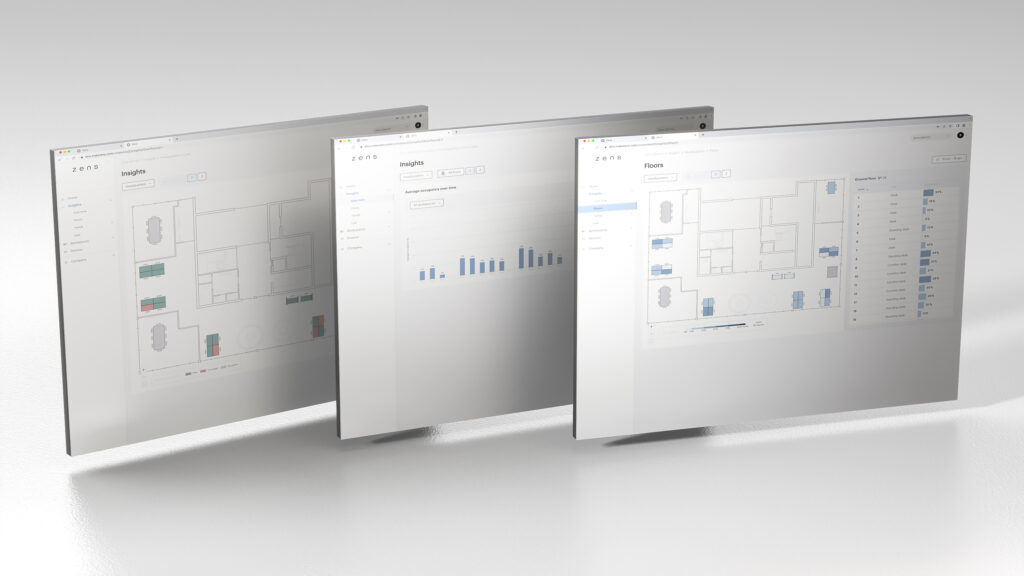
Perhaps the most strategic advantage of a desk booking system is data. Real-time and historical occupancy data can highlight patterns and trends that inform broader workplace strategy. Which areas are busy on Mondays? Which desks are rarely used? How does utilisation change week-by-week?
These insights can inform cleaning schedules, support sustainability initiatives and influence where to invest in collaborative spaces or quiet zones. Without these insights, teams often make decisions based on guesswork rather than evidence.
Enhancing Your Desk Booking System with Smart Tech
While software alone can revolutionise workspace planning, combining digital tools with smart workspace hardware takes efficiency to the next level.
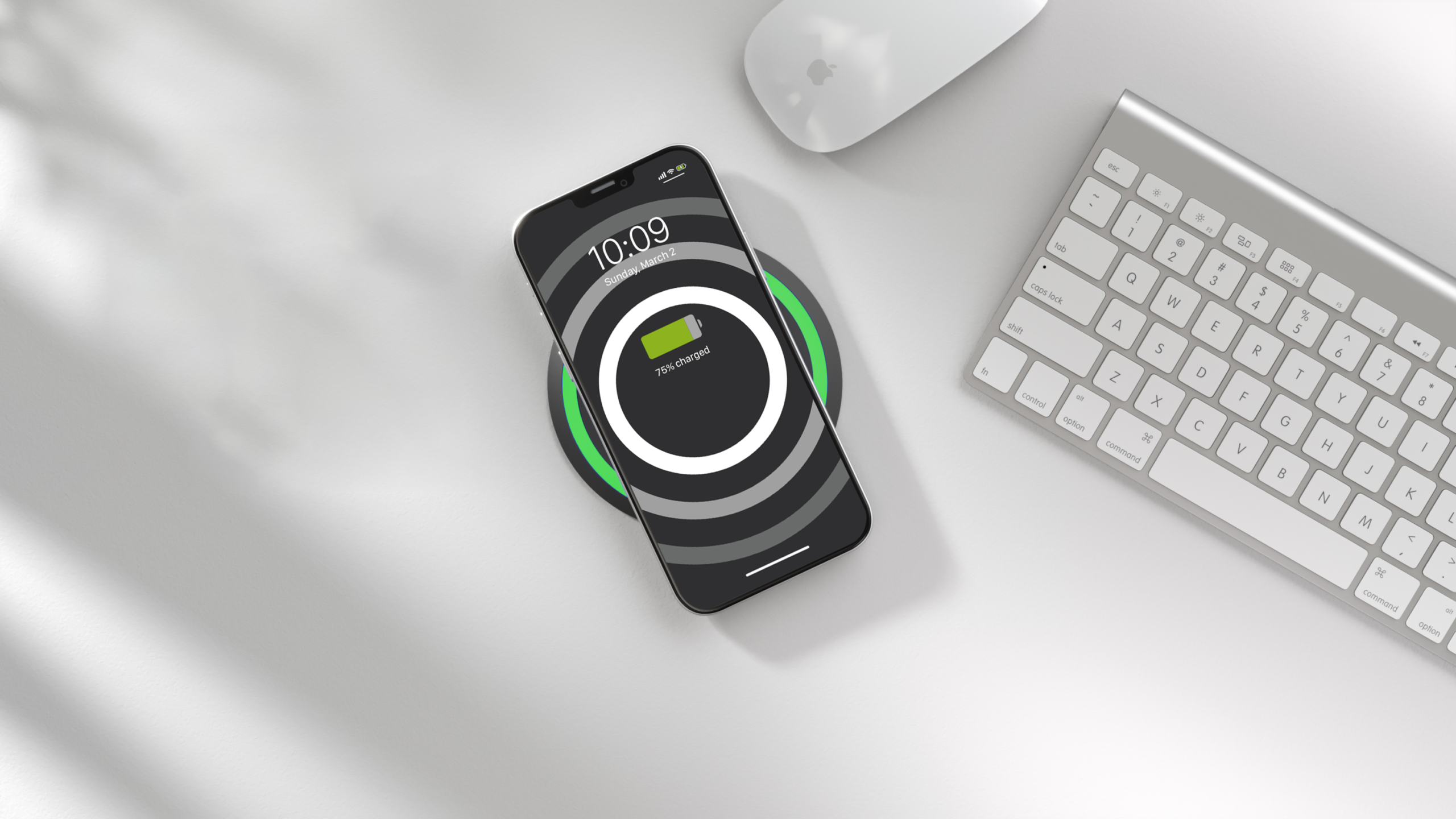
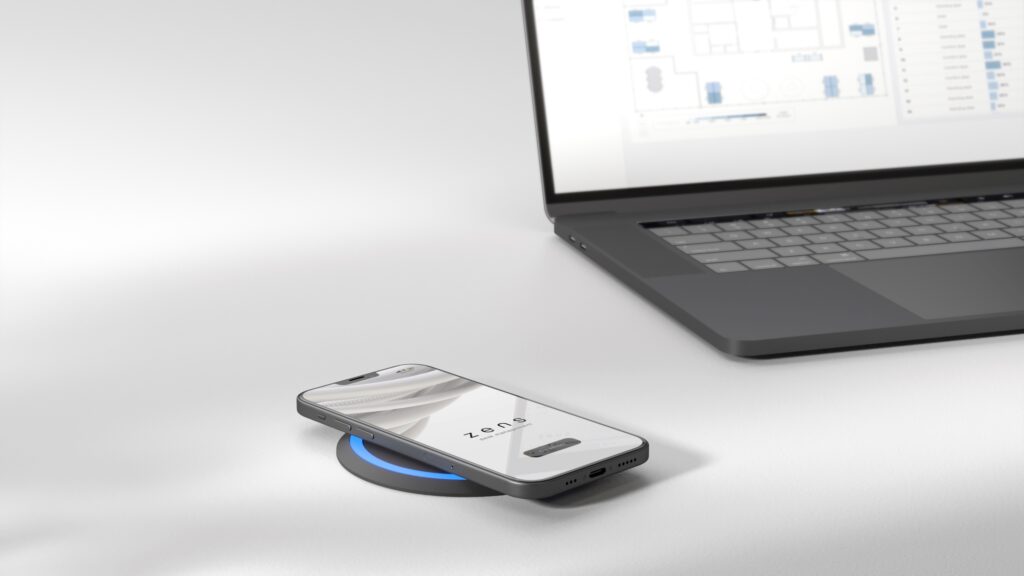
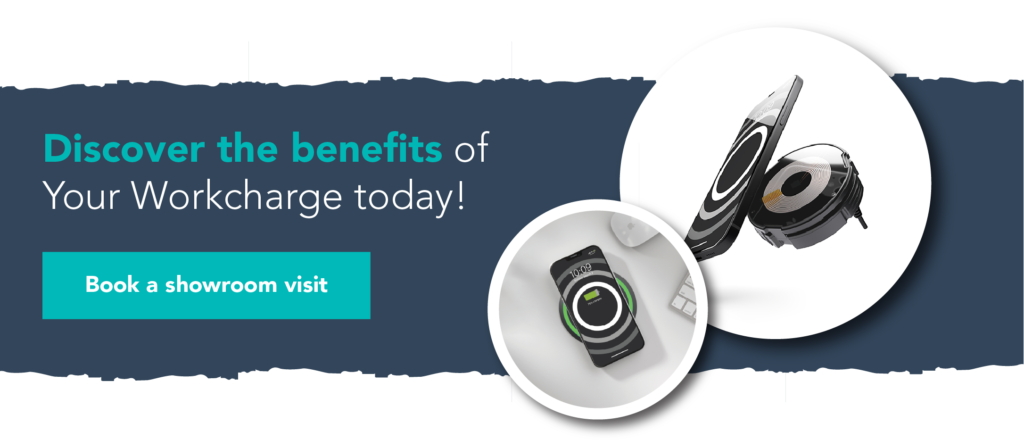
One leading example of this is the Your Workcharge Puk from Your Workspace. This innovative device acts as both a wireless charging point and a workspace sensor, seamlessly blending utility with insight.
What the Your Workcharge Puk Brings to the Table
- Real-Time Desk Analytics: The Puk’s motion sensor detects desk occupancy and provides both real-time and historical usage insights. Facility managers can see which spaces are actively used and which are underutilised.
- Wireless Charging Convenience: Employees can charge compatible devices simply by placing them on the Puk, adding value to the workspace experience.
- Visual Desk Status: With colour indicators showing whether a desk is free, booked or occupied, employees and guests can immediately understand workspace availability.
- No Complex Integration Needed: The Puk doesn’t require heavy IT implementation, making rollout quicker and less disruptive than many tech solutions.
This combination of user-centric convenience and strategic insight makes the Your Workcharge Puk a powerful complement to any desk booking system and a great example of how hardware and software can work together to support smarter workplaces.
Making the Move: Best Practices for Desk Booking Systems
To realise the full potential of a desk booking system, organisations should focus on both technology and culture:
- Communicate Clearly: Ensure employees understand how to use the system and the benefits it brings.
- Set Booking Policies: Strike a balance between flexibility and fairness. For example, limiting how far ahead someone can book, or setting check-in requirements.
- Integrate with Calendars: Enable bookings through familiar tools like Outlook or mobile apps.
- Use Data to Improve: Regularly review occupancy reports and adjust layouts or policies based on real-use patterns.
Conclusion
A desk booking system is no longer a nice-to-have, it’s a cornerstone of modern workplace strategy. By optimising space utilisation, improving employee experience, enabling collaboration and delivering actionable insights, workspace booking systems empower organisations to thrive in a hybrid world.
Pairing these systems with smart tools like the Your Workcharge Puk only amplifies their impact, bringing greater convenience, visibility and efficiency to the workplace.
Contact Us
Whether you’re redesigning your office or scaling your hybrid model, embracing a desk booking system is a step toward a smarter, more agile and human-centric workplace.
Get in touch with Your Workspace on 01621 855053 or send us an email at info@yourworkspace.com to discuss your workplace strategy and discover how we can help future-proof your office.