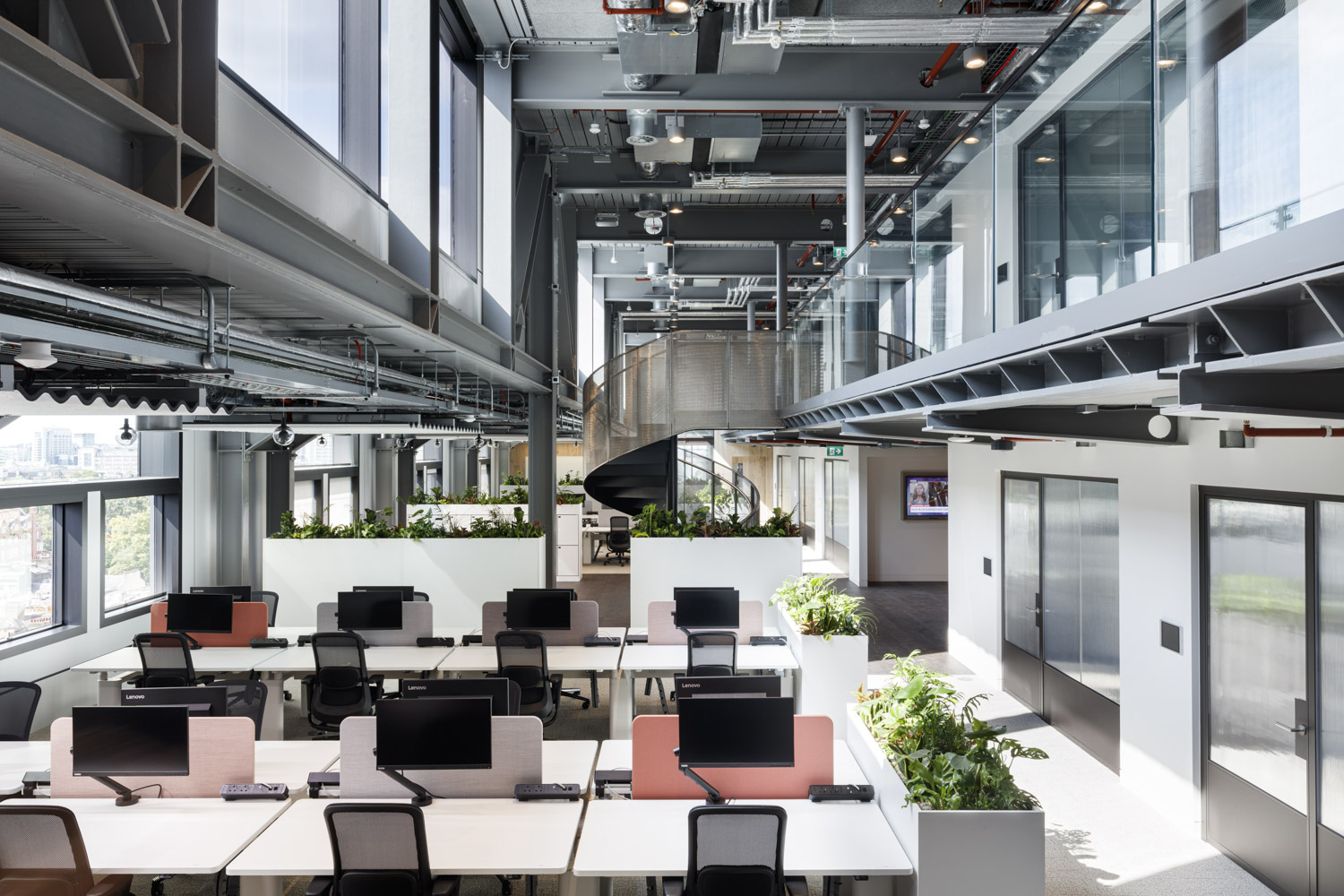
The office is no longer just a place to sit at a desk. In 2025, it’s a dynamic hub for connection, collaboration and creativity – an environment that supports hybrid working while helping businesses attract and retain talent. Smart office design is at the heart of this shift, blending people-first thinking with technology and flexibility to create spaces employees genuinely want to use.
At Your Workspace, our research and real-world experience show that when businesses invest in well-designed spaces, they see measurable gains in productivity, engagement and efficiency.
Here’s how to get smart office design right in 2025…
1. Start with a People-First Mindset
The smartest offices are not those with the most tech, but those built around people. Employees expect flexibility, autonomy and environments that support their well-being. Spaces that focus only on efficiency or cost-cutting often miss the mark, driving disengagement and poor attendance.
To create a people-first workplace, start by gathering feedback. Surveys, interviews and utilisation data help uncover what employees truly need – from quiet zones for focused work to collaborative breakout areas. According to Leesman’s Focus Forward 2025 report, employee experience is now a core measure of workplace success, and employers need to avoid one-size-fits-all solutions.
Designing for your people means investing in comfort, ergonomics and inclusivity, and positioning the office as a destination employees want to visit, not a place they’re forced to be.
2. Design around Hybrid Working
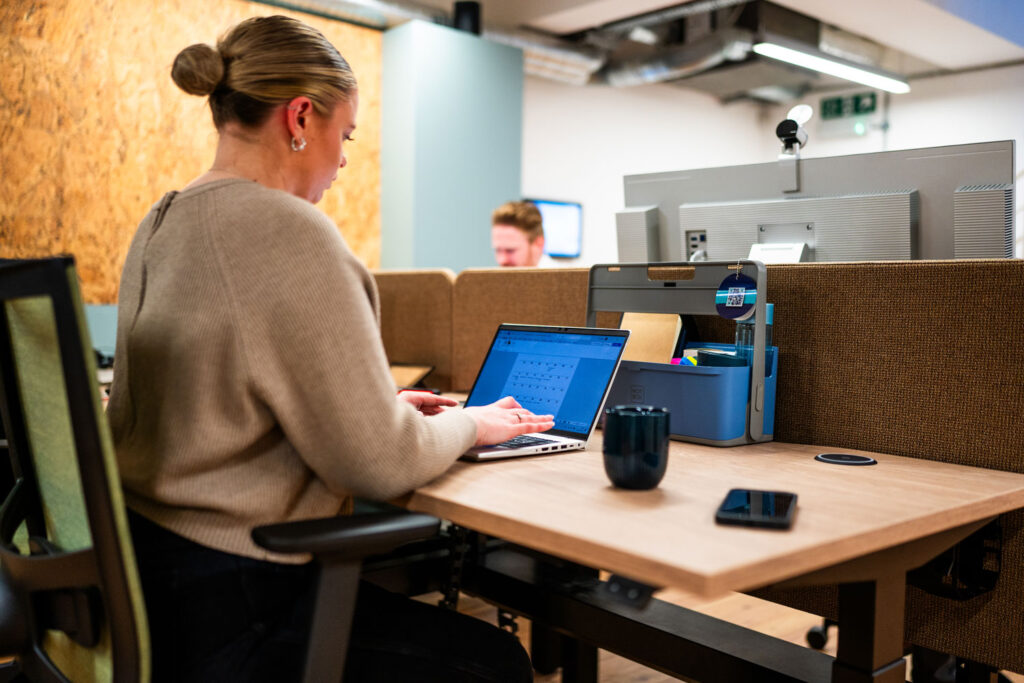
Hybrid work is now the standard. Employees spend part of the week at home and part in the office, meaning your workplace needs to cater to two very different types of workdays:
- Focus time: Many employees use home days for deep work. The office should offer spaces that replicate this calm – such as work pods, booths and quiet rooms.
- Connection time: Office days are for collaboration, mentoring and social connection. Open-plan spaces, creative breakout zones and high-quality meeting rooms should support this.
Our projects, such as 8 Bishopsgate, show how this balance works in practice. Smart lockers, changing rooms, wellness spaces and community-driven amenities create a seamless experience that encourages attendance while supporting productivity.
3. Build in Flexibility from the Ground Up
Office design can no longer be static. With shifting attendance patterns and evolving team sizes, organisations need flexible, modular solutions.
Our Staxx modular seating and adaptable modular shelving systems allow layouts to be reconfigured quickly as business needs change. This flexibility extends to technology. To optimise space utilisation, some organisations have implemented desk-booking apps, occupancy sensors and heat maps to give real-time insights into how spaces are used. Consequently, businesses can adjust their layouts for different work personas and reduce their real estate footprint, as reported in Leesman’s The Hybrid Future Q4 2024report.
4. Make Use of Smart Technology
Technology is central to smart office design, but it should enhance the employee experience – not complicate it.
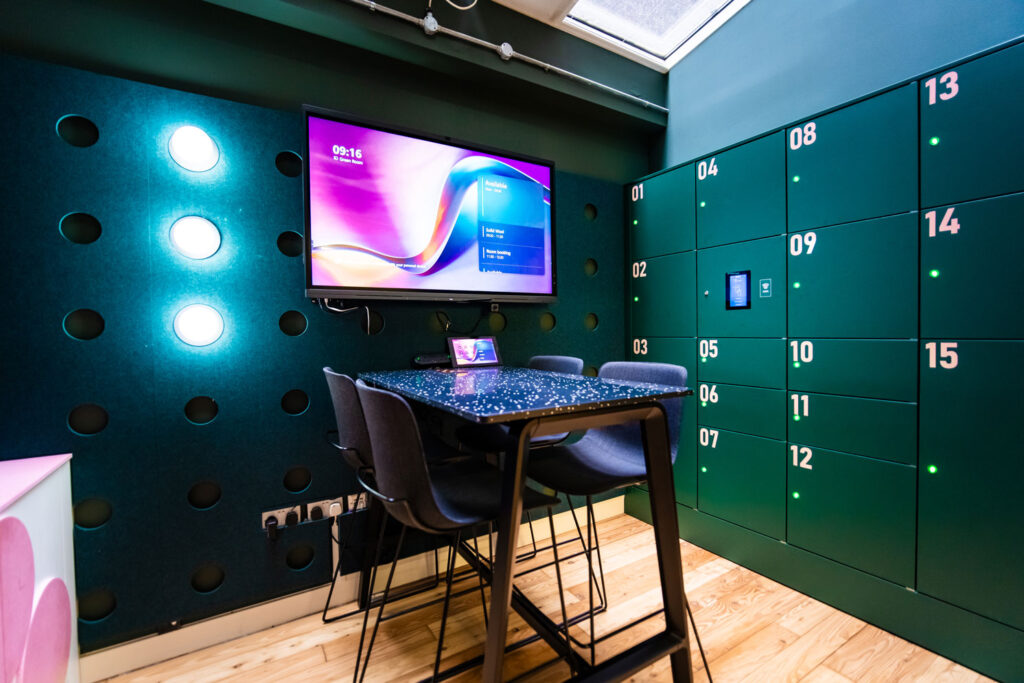
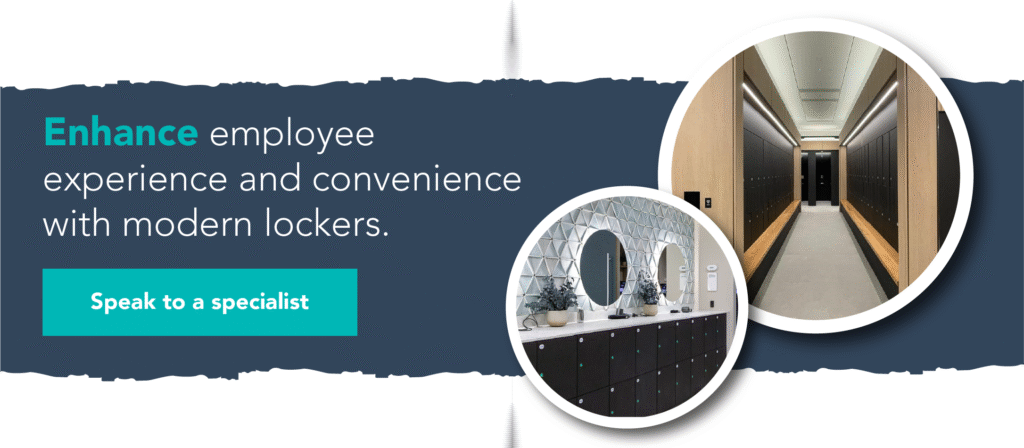
- Smart lockers: Our Simplicity smart lockers eliminate the clutter of personal storage while giving employees the convenience of secure, app-based access. For employers, it provides valuable analytics to optimise storage and streamline facilities management.
- Desk and room booking: Tools like our Your Workcharge enable data-driven allocation of desks and meeting spaces, helping staff plan their day while giving leaders visibility of space utilisation.
- Environmental controls: IoT devices can monitor noise, lighting and air quality to improve comfort.
- AI and automation: AI-driven scheduling and voice-to-text tools reduce administrative tasks, freeing up employee time and improving accessibility.
By integrating these systems, organisations create a seamless, “friction-free” workspace experience where employees feel empowered and supported.
5. Rethink Desk Allocation
In a hybrid workplace, a one-desk-per-employee model is no longer necessary. Instead, offices are moving towards desk-sharing models supported by smart technology.
Our Hybrid Working Whitepaper 2024revealed that employees value certainty – while some are comfortable with hot-desking, many prefer knowing they’ll have a workspace ready when they arrive, with 46% of companies expressing a desire for the ability to book workstations. Smart booking systems solve this tension, balancing flexibility with reassurance.
Leesman’s 2025 data also shows that 49% of senior corporate real estate (CRE) leaders are planning to reduce their office space. This indicates a shift towards smarter footprint management, where decisions are not purely based on size, but also on quality and employee experience.
6. Make the Office a Destination
Employees increasingly see the office as a hub for connection, culture and career development. To attract people back in, businesses should focus on creating a “destination workplace”:
- Wellness facilities: Gyms, meditation rooms and biophilic design elements enhance physical and mental health.
- Convenience: Changing rooms, bike storage and on-site amenities make commuting worthwhile.
- Community spaces: Cafés, breakout areas and event spaces encourage informal interactions and help build a positive culture.
7. Action Points for Employers
To create a truly smart office, leaders should focus on:
- Engagement: Regular feedback and open discussions provide valuable insights into employee preferences and challenges.
- Leadership visibility: Senior leaders modelling in-office presence to inspire attendance.
- Well-being: Creating a safe and inclusive environment helps employees feel valued.
- Data-driven decisions: Leverage occupancy analytics and booking data to right-size space.
- Experimentation: Pilot initiatives, measure results and iterate to meet evolving needs.
8. Why Smart Office Design Matters
Smart office design isn’t about aesthetics alone; it’s a strategic investment. According to CBRE, companies that optimise their workplace for employee experience see increased productivity, better retention and significant real estate savings.
By designing a people-first experience, organisations can create workplaces that:
- Attract and retain top talent.
- Reduce wasted space and operating costs.
- Seamlessly support hybrid workers.
- Foster a sense of belonging and culture.
Final Thoughts
2025 marks a turning point for smart office design. Companies that invest in smart, human-centric environments will gain a competitive advantage – not just by saving space or reducing costs, but by building a workplace culture employees love.
Whether it’s smart lockers, modular shelving or AI-enabled booking systems, Your Workspace solutions help businesses create offices that are efficient, engaging and ready for the future.
Contact Us
At Your Workspace, we specialise in creating workplaces that are smart, flexible and people-first. Whether you’re rethinking your office layout, exploring smart storage solutions, or designing a “destination workplace” to encourage employees back into the office, our team can help.
Give us a call on 01621 855053 or send us an email at info@yourworkspace.com. Our workplace experts would be happy to help!