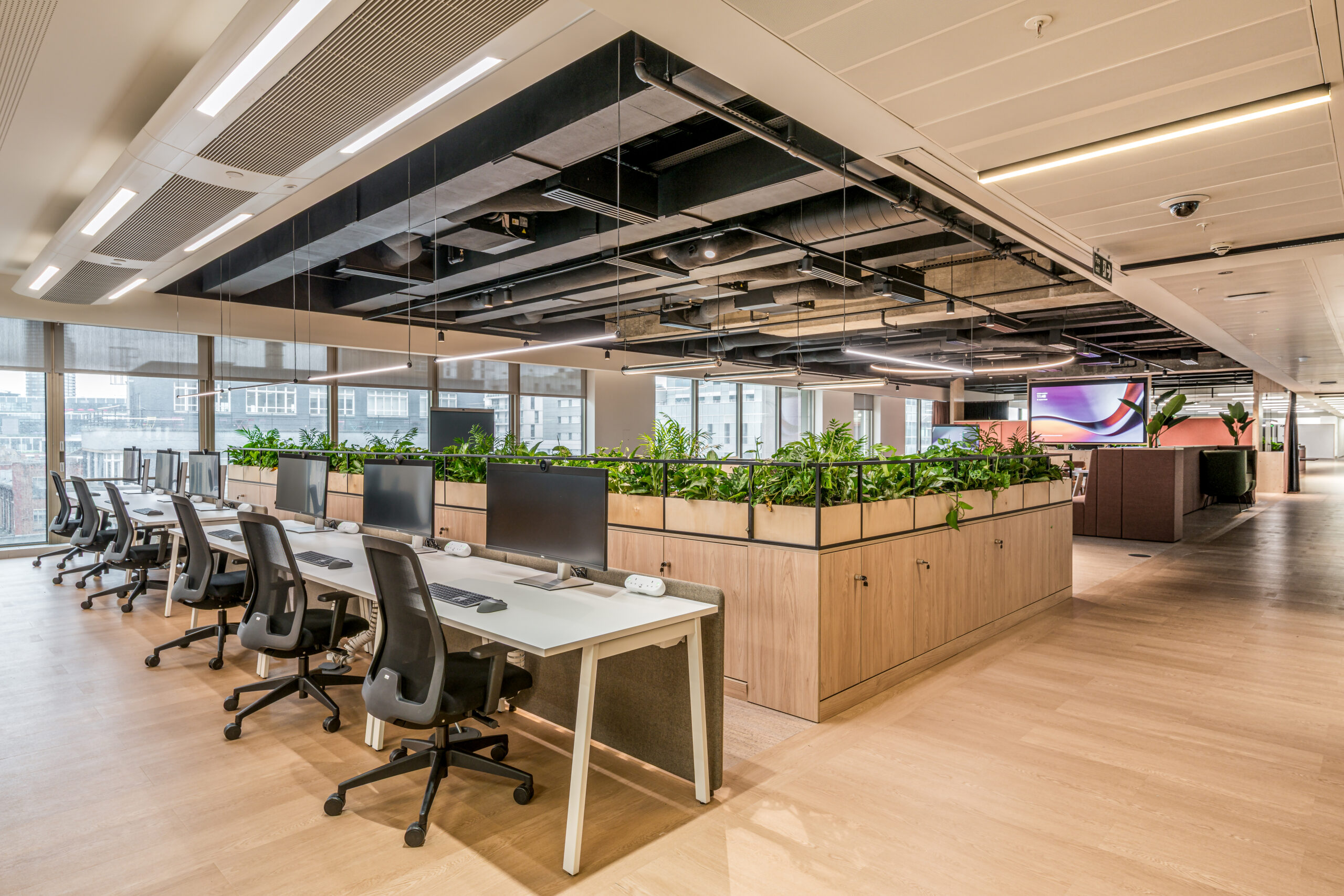
The workplace has changed significantly over the past few years, but one thing is becoming increasingly clear: the office isn’t disappearing. Its purpose is evolving.
Gensler’s Global Workplace Survey 2026 explores how employees around the world are working today and what they expect from the workplace of the future. Based on responses from 16,459 full-time office workers across 16 countries and 10 industries, the research highlights a workplace landscape shaped by hybrid working, artificial intelligence, learning, collaboration and employee wellbeing.
For organisations reviewing their workplace strategy, the findings provide an important message. Simply encouraging people back into the office isn’t enough. The workplace itself needs to give employees a reason to be there.
The Office Remains an Important Part of the Working Week
Despite continued discussion around remote and hybrid working, the office remains the primary place where work happens.
Gensler found that the average employee spends around 55% of their typical working week in the office, and 26% in settings like coworking spaces, client sites, third spaces or travelling. In comparison, around 18% of the working week is spent at home, and this number continues to slowly decline.
Working patterns have also begun to stabilise. Employees continue to divide their time between focused work, collaboration, virtual meetings, learning and social interaction, while working across a broader mix of locations.
For employers, this reinforces the importance of designing workplaces around activities rather than simply providing desks. Employees may need quiet environments for concentration one moment, collaborative areas the next, followed by a private space for a video call or an informal setting for conversations with colleagues.
Employees are Adapting Workplaces that Don’t Meet Their Needs
One of the most striking findings from the survey is the extent to which employees are modifying their surroundings themselves.
According to Gensler, two-thirds of office workers are “hacking” their workspace to compensate for shortcomings in their environment, such as making adjustments to ergonomics, temperature or storage, while noise and meeting space availability remain ongoing challenges.
These adaptations can reveal much bigger workplace issues.
If employees are regularly searching for quieter areas, rearranging furniture or creating their own privacy solutions, the workplace may not be providing the variety of settings they need.
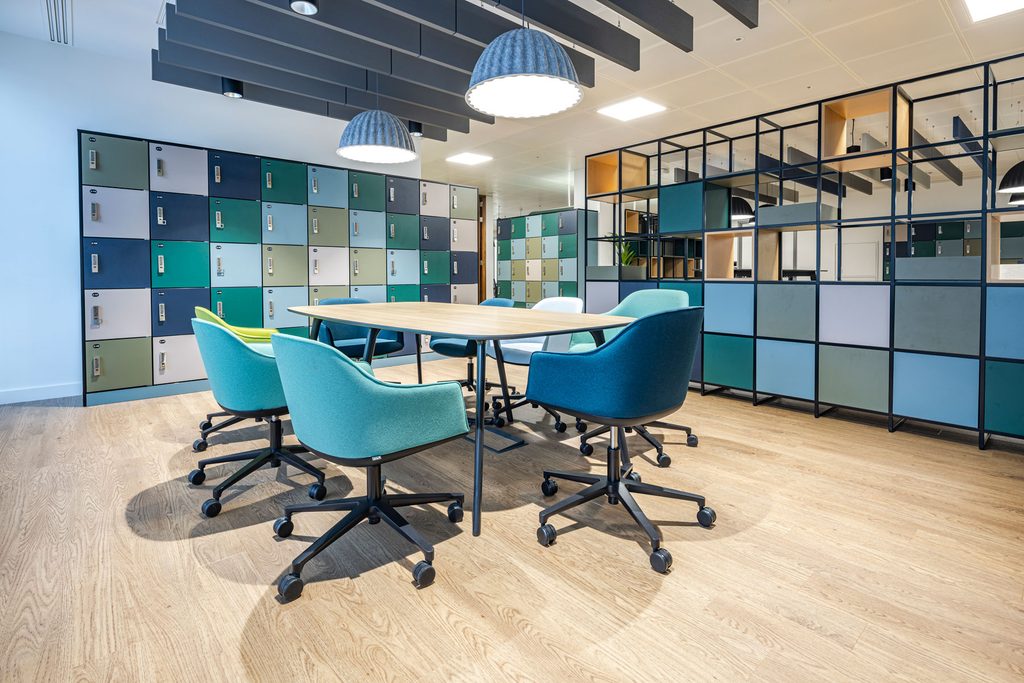
Flexible furniture, acoustic work pods, meeting areas, breakout spaces and adaptable storage can all help organisations create environments that respond more effectively to different activities throughout the day.
AI Could Make the Workplace More Human
Artificial intelligence (AI) is understandably one of the biggest themes within Gensler’s 2026 research.
However, the findings challenge the assumption that increased AI use will make work more isolated.
Gensler identifies around 30% of employees as “AI Power Users” – people who regularly use AI tools in both their professional and personal lives. Compared with later adopters, these employees spend less of their working week alone and more time learning and socialising. AI Power Users spend 12% of their week learning compared with 8% for later adopters, while also reporting stronger team relationships.
Rather than reducing the importance of the physical workplace, increased AI adoption could therefore make spaces for human interaction even more valuable.
As some routine processes become easier to automate, workplaces may increasingly need to support activities such as problem-solving, knowledge sharing, mentoring, learning and creative collaboration.
Learning is Becoming a Workplace Priority
This increased focus on learning appears throughout the research.
Gensler found that employees who consider learning important to their job performance are more likely to experiment with different ways of working and are more attuned to what is happening across their organisation.
Importantly, the design of the workplace can influence this experience.
Factors linked with workplaces that are effective for learning include manageable noise levels, flexible furniture, attractive design, access to up-to-date technology and easy access to spaces for both focused concentration and rest.
This suggests learning doesn’t only happen inside a dedicated training room. It happens through informal conversations, collaborative sessions, mentoring, quiet research and everyday interaction between teams.
The workplace therefore needs to provide an ecosystem of different spaces rather than expecting one type of workstation to support every activity.
People Want Workplaces that Support Wellbeing
When Gensler asked employees what they hoped for from the future of work, their answers were notably human.
42% want work to become more creative, 39% more energetic and 31% more connected to others.
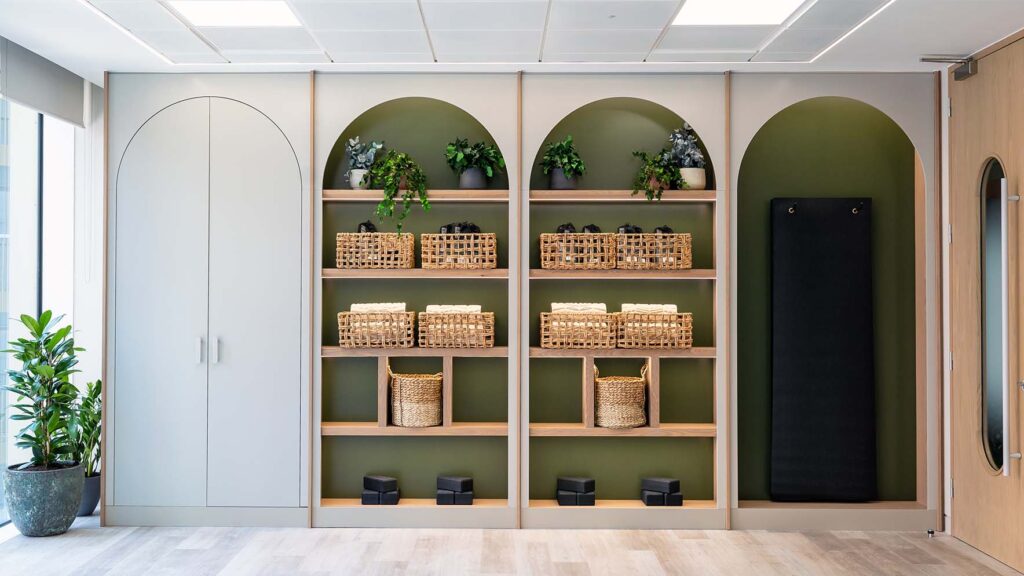
Expectations for the physical workplace are changing too. Nearly half of employees surveyed (46%) want physical and mental wellness amenities, while 43% want outdoor areas and access to nature.
Natural light, comfortable environments and spaces where employees can recharge are therefore becoming an increasingly important part of workplace experience.
It reflects a wider shift in workplace design. Productivity is no longer simply about fitting the maximum number of desks into a floorplate. It’s about creating an environment where people can choose a setting that supports what they’re trying to achieve.
A More Flexible Workplace needs Smarter Infrastructure
As workplaces become more flexible, the infrastructure supporting them needs to evolve too.
If employees no longer sit at the same desk every day, organisations need efficient ways to manage personal belongings, shared resources, technology and workplace capacity.
Smart lockers, for example, can provide secure storage without requiring every employee to have a permanently assigned locker. Utilisation data can then help facilities teams understand how that storage is actually being used.
Occupancy technology can provide similar insight into desks and spaces, helping organisations make workplace decisions based on real usage rather than assumptions.
At the same time, modular furniture, adaptable storage and acoustic work pods allow the physical environment to evolve as teams and working patterns change.
The objective shouldn’t be to add technology for technology’s sake. Technology should remove friction from the employee experience and help the workplace respond more intelligently to the people using it.
Designing the Workplace Around People
Perhaps the clearest takeaway from Gensler’s Global Workplace Survey 2026 is that the workplace still matters, but employees expect more from it.
People want environments that help them concentrate when they need focus, collaborate when they need other people, learn new skills, access the right technology and recharge when they need a break.
For organisations, this creates an opportunity to rethink the office as more than simply somewhere employees are expected to attend.
The most successful workplaces will be those that make being there worthwhile.
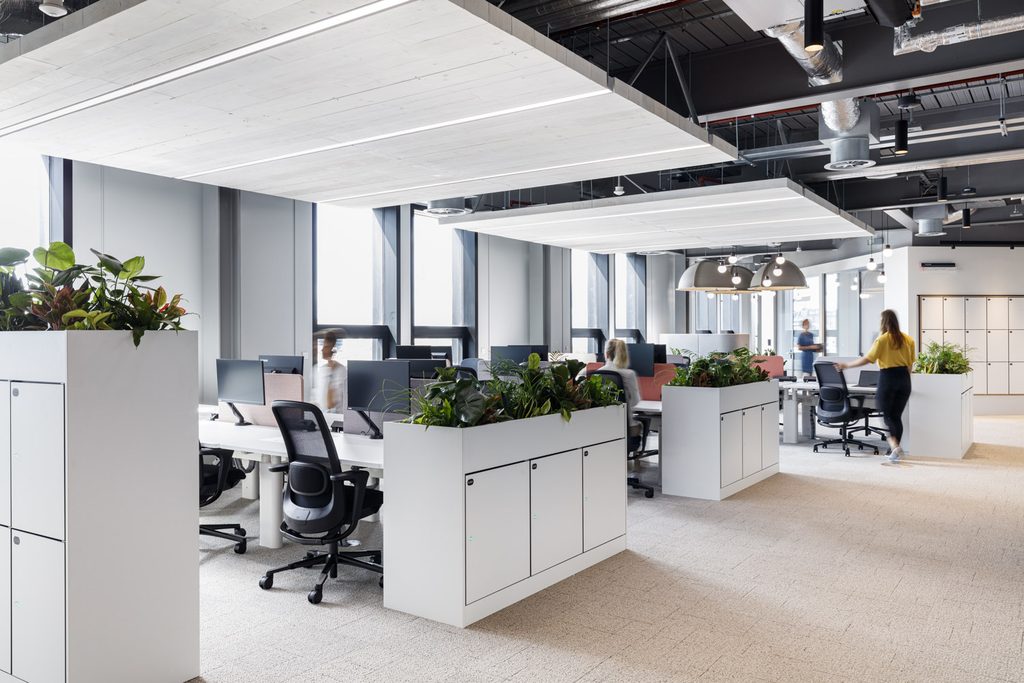
By combining varied work settings, flexible furniture, smart technology, effective storage and environments designed around wellbeing and human connection, organisations can create workplaces that are better equipped for how people work today – and adaptable enough for whatever comes next.
Create a Workplace Designed Around How People Work Today
At Your Workspace, we help organisations create flexible, intelligent environments designed around how people actually use the workplace. From smart lockers and occupancy technology to work pods, modular storage and adaptable furniture, our solutions can help businesses create workplaces that work harder for both employees and facilities teams.
Get in touch with our workplace consultants today on 01621 855053 or send us an email at info@yourworkspace.com to discuss your requirements.